Internet slang has become an important part of everyday communication, and many familiar English words now carry meanings beyond their traditional definitions. One example is trap, an expression people frequently encounter in text messages, social media comments, online discussions, and music-related conversations.
If someone says, “That’s a trap,” or describes a situation as “trapping,” you might wonder whether they are talking about deception, temptation, relationships, or something else.
The trap slang meaning can change depending on the speaker, situation, and conversation. Generally, it describes something that attracts, deceives, or places someone in an unwanted situation. However, it can also refer to a particular music genre or appear in humorous internet expressions.
Understanding this word can help you follow modern conversations without misunderstanding the speaker’s intention. In this guide, we will explore its definitions, background, examples, social media usage, technical meanings, and differences from similar expressions.
1. Trap Slang Meaning: Definition and Explanation
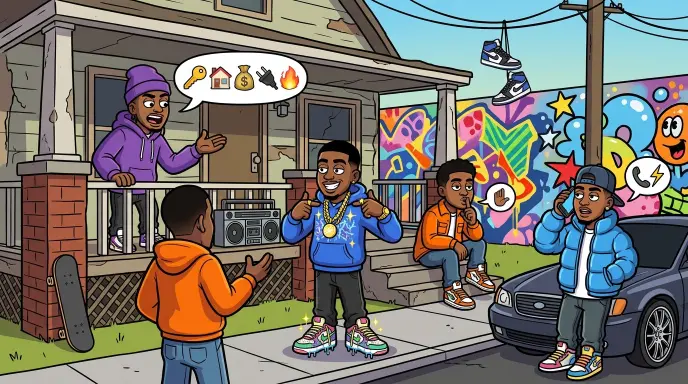
In informal English, trap commonly describes a situation, offer, activity, or experience that attracts someone but may eventually create problems or unwanted consequences.
The original meaning of trap refers to something designed to catch or hold an animal or object. In modern conversations, however, people frequently use it figuratively to describe situations in which someone feels deceived, restricted, or unable to leave easily.
The intended meaning depends on the surrounding conversation.
Common meanings of trap in slang
1. A misleading situation
Trap can describe something that appears attractive or harmless but has hidden problems.
Example:
“Don’t accept that offer without checking the details. It could be a trap.”
Here, the speaker is warning someone about a potentially misleading opportunity.
2. An unwanted situation
People sometimes use trap to describe circumstances they find difficult to escape.
Example:
“I agreed to help with one assignment, and now I’m doing everyone’s work. What a trap!”
The speaker is expressing frustration about becoming involved in something unexpectedly demanding.
3. Something tempting
Trap can also describe an activity that is difficult to resist.
Example:
“Online shopping is a trap for me.”
This means the person finds shopping tempting and sometimes spends more time or money than intended.
4. A particular music genre
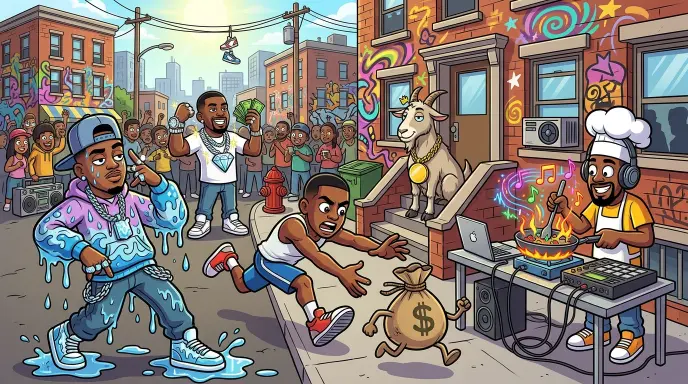
Trap is also the name of a hip-hop music style recognized for its distinctive rhythms, electronic production, and bass-heavy sounds.
Example:
“Trap music is my favorite genre for working out.”
5. A humorous situation
Friends sometimes use trap jokingly when someone creates an unexpected or entertaining situation.
Example:
“You said we were watching one episode, and now we’ve watched the entire season. That’s a trap!”
Is trap always negative?
No. Although it can describe deception or difficulty, it is not necessarily a negative expression.
Someone might use it seriously when discussing a misleading offer or jokingly when talking about an entertaining television series.
The surrounding sentence determines whether the word communicates a warning, frustration, humor, or something else.
2. Background and Origin of Trap Slang
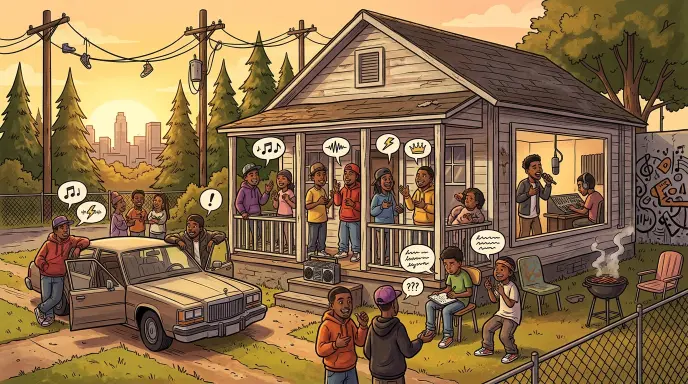
The word trap has been part of English vocabulary for centuries. Its traditional meaning relates to catching, holding, or restricting something. Over time, people began using it figuratively to describe experiences involving temptation, deception, and difficult circumstances.
This is a natural process in language development. Words often acquire additional meanings as people apply them to different situations.
From physical traps to everyday expressions
Originally, a trap referred to a device used to catch or hold something.
Eventually, the word became a metaphor for situations in which people feel caught or restricted.
Consider these expressions:
- “I walked straight into their trap.”
- “That offer sounds like a trap.”
- “Don’t fall into the same trap again.”
- “This situation has become a trap.”
None of these examples necessarily refers to a physical device. Instead, they communicate the idea of becoming involved in an unwanted or misleading situation.
Trap in music and popular culture
Trap also developed a strong cultural association through hip-hop music.
The musical style became recognizable through its distinctive production, rhythmic patterns, electronic sounds, and prominent bass.
As the genre gained popularity, the word became familiar to people who might never have encountered it in traditional English expressions.
Today, trap can refer to:
- A particular hip-hop music genre.
- A distinctive musical beat.
- An artist’s musical style.
- Trap-inspired songs and playlists.
- Music-related online communities.
Trap in internet culture
Social media has introduced additional informal uses of the word.
People frequently use trap in memes, captions, comments, and humorous conversations to describe tempting situations.
For example:
“Watching one more episode is always a trap.”
The speaker is joking about how difficult it can be to stop watching an entertaining series.
Why is trap still popular?
Trap remains widely used because it is short, recognizable, and flexible.
It can describe a difficult situation, an attractive distraction, a misleading opportunity, or a music style.
Its meaning changes according to the subject being discussed, making context particularly important.
3. How Trap Is Used in Different Contexts
Trap appears in several areas of communication, including everyday conversations, entertainment, social media, and professional discussions.
Although the word has a general idea of catching or restricting someone, its exact interpretation changes between situations.
In everyday conversations
People commonly use trap when describing temptation, deception, or unexpected problems.
Examples:
- “That was a clever trap.”
- “I think I’m getting myself into a trap.”
- “Don’t fall for that trap.”
- “This game is a trap because I can’t stop playing.”
These expressions communicate that someone has become involved in something potentially difficult or hard to resist.
In social media conversations
On social media, trap frequently appears in captions, memes, and comments.
For example:
“Shopping during a big sale is a trap for my wallet.”
The person is joking about how discounts encourage unnecessary purchases.
Another example:
“This video is a trap. I’ve watched it ten times.”
Here, trap describes entertaining content that keeps attracting the viewer’s attention.
In professional fields
Trap can describe mistakes, misleading opportunities, or circumstances that create problems in professional environments.
Examples include:
- “The company avoided a financial trap.”
- “Poor planning can create unnecessary business problems.”
- “This marketing strategy contains several potential traps.”
- “Employees should recognize common workplace pitfalls.”
In formal writing, more precise alternatives may be preferable.
For example, risk, disadvantage, pitfall, and potential problem can communicate the intended meaning more professionally.
In education
Students and teachers may use trap when discussing common learning mistakes.
Example:
“Memorizing information without understanding it is a learning trap.”
This means that relying entirely on memorization can prevent students from developing a deeper understanding of a subject.
In entertainment
Trap can describe something that keeps people interested or makes it difficult to stop an activity.
For example:
“This mobile game is a trap because I keep playing for hours.”
The word communicates temptation rather than a literal danger.
4. Trap Meaning in Chat, WhatsApp, Instagram, and TikTok
Different social media platforms encourage different communication styles. However, trap generally retains its main meanings across these platforms.
Trap meaning in chat
In text conversations, trap commonly refers to a misleading situation, an unexpected problem, or something that is difficult to resist.
Examples:
- “Don’t fall into that trap.”
- “That question was a trap!”
- “You got me into a trap.”
- “This conversation is becoming a trap.”
Consider this example:
Person A: “I have something special planned for you.”
Person B: “Sounds like a trap 😂”
The second person is probably joking rather than making a serious accusation.
Trap meaning on WhatsApp
WhatsApp is widely used for private conversations, family groups, and everyday messaging.
People may use trap when discussing suspicious offers, unexpected experiences, or funny situations.
Examples:
- “That shopping offer is a trap.”
- “You planned this whole thing as a trap!”
- “One more episode is always a trap.”
- “Don’t fall for that trick.”
The expression can communicate humor, frustration, or a genuine warning.
Trap meaning on Instagram
Instagram users frequently use trap in captions and comments.
It may describe:
- An attractive but misleading offer.
- A tempting shopping opportunity.
- A funny or unexpected experience.
- Trap music or music-related content.
- Something that keeps attracting attention.
Example:
“These discounts are a trap for my wallet.”
The person is humorously suggesting that discounted products make spending difficult to resist.
Trap meaning on TikTok
TikTok contains numerous slang expressions, memes, music trends, and humorous videos.
Trap may appear in videos about entertainment, shopping, relationships, or unexpected experiences.
Example:
“POV: You promised yourself you would watch one episode, but now it’s 3 AM.”
Someone might comment:
“Streaming platforms are a trap!”
Here, trap describes entertainment that makes it difficult to stop watching.
Important: Trap does not have a separate, universally accepted definition on each social media platform. Its meaning comes from the content and surrounding conversation.
5. Trap Meaning in Physics, Medical, and Aircraft Terminology
Although trap is common in everyday English, it also appears in scientific and technical environments.
In these fields, the word may describe specific equipment, processes, or systems rather than an informal expression.
Trap in physics
In physics, a trap can refer to a system designed to confine particles or restrict their movement.
For example, an ion trap is a scientific device that uses electromagnetic fields to confine charged particles so researchers can study them.
Other examples include:
Ion traps: Systems that hold charged particles in controlled conditions.
Optical traps: Devices that use focused light to capture or manipulate very small particles.
Magnetic traps: Arrangements that use magnetic fields to confine certain particles.
In these situations, trap is a scientific term rather than internet slang.
Trap in medical terminology
In medical and healthcare environments, trap may describe different things depending on the specialty.
For example, it may refer to:
- A device that collects or retains substances.
- A component of medical equipment.
- A structure that captures or holds material.
- An informal description of a misleading assumption.
Another relevant example is the trapezius muscle, commonly called the traps in fitness and anatomy discussions.
The trapezius is a large muscle extending across the upper back and neck.
Example:
“I trained my traps at the gym yesterday.”
Here, traps refers to the trapezius muscles rather than a misleading situation.
Trap in aircraft terminology
In aviation, trap may appear in discussions about equipment, safety, and military operations.
One recognized military aviation abbreviation is TRAP, which stands for Tactical Recovery of Aircraft and Personnel.
It refers to operations associated with recovering aircraft personnel in military environments.
The word may also appear in technical descriptions involving mechanisms that secure, retain, or capture components.
Its precise meaning depends on the aviation context and relevant documentation.
Remember: The everyday slang meaning of trap is different from its scientific, medical, and aviation uses. Always interpret the word according to the subject being discussed.
6. Common Misconceptions About Trap Slang
Because trap has several meanings, it is easy to misunderstand the word when encountering it in an unfamiliar conversation.
Here are some common misconceptions.
Misconception 1: Trap always means danger
Not necessarily. Trap can describe a misleading or difficult situation, but it is also used humorously.
Example:
“Chocolate cake is a trap.”
The speaker may simply mean that chocolate cake is too tempting to resist.
Misconception 2: Trap only refers to music
Trap is also a traditional English word with several figurative meanings.
Someone can use it in an everyday conversation without discussing music.
Misconception 3: Trap always means deception
Sometimes, trap describes temptation rather than intentional dishonesty.
Example:
“Scrolling through social media is a trap.”
The speaker is describing an activity that consumes more time than expected.
Misconception 4: Trap means the same thing in every conversation
The meaning depends on the subject.
Someone discussing trap music is referring to a genre, while someone saying “I walked into a trap” may be describing a misleading situation.
Misconception 5: Calling something a trap is always offensive
Trap is not automatically an insult.
It can be a neutral description, a humorous reaction, or a serious warning.
Misconception 6: Trap is exclusively internet slang
The word existed long before social media. Its traditional and figurative meanings are part of general English vocabulary.
Internet culture has simply increased the visibility of some informal uses.
7. Similar Slang Words and Alternatives to Trap
Several English words communicate ideas similar to trap, particularly when describing deception, temptation, or difficult situations.
However, these alternatives are not always interchangeable.
| Word or Expression | Meaning | Example |
|---|---|---|
| Trick | An action intended to deceive | “That was a clever trick.” |
| Scam | A dishonest scheme | “The offer looks like a scam.” |
| Pitfall | A hidden difficulty | “Avoid this common pitfall.” |
| Snare | Something that catches or restricts | “He walked into a snare.” |
| Setup | An arranged situation | “That was a setup.” |
| Catch | A hidden disadvantage | “What’s the catch?” |
| Bait | Something used to attract someone | “Don’t take the bait.” |
| Hook | Something that attracts attention | “The opening scene is the hook.” |
| Deception | Deliberately misleading someone | “It was an act of deception.” |
| Predicament | A difficult situation | “I’m in a difficult predicament.” |
Trap vs. trick
A trick usually involves an action intended to deceive or surprise someone.
A trap describes a situation or mechanism that catches someone or creates difficulty.
Examples:
“That magic trick surprised everyone.”
“That offer was a trap.”
Trap vs. scam
A scam specifically involves dishonest activity, often intended to obtain money or personal information.
A trap has a broader meaning and does not necessarily involve fraud.
Trap vs. pitfall
A pitfall is a hidden problem or disadvantage that someone might encounter.
It is frequently used in educational, business, and professional writing.
Example:
“One common pitfall of online shopping is overspending.”
Trap vs. bait
Bait is something used to attract someone or something.
A trap is what someone may encounter after being attracted by that bait.
Example:
“That tempting offer was bait for a financial trap.”
Understanding these distinctions makes it easier to select the right expression.
8. How to Respond When Someone Uses Trap in a Conversation
Your response should depend on what the other person means.
Sometimes, they are warning you about something. In other situations, they are simply joking.
Here are some natural ways to respond.
When someone says, “That’s a trap!”
You can respond:
- “Why do you think so?”
- “What makes it suspicious?”
- “I didn’t notice that!”
- “Good thing you warned me.”
- “I’ll be careful.”
When someone uses trap jokingly
Example:
Person A: “I invited you for coffee, but now we’re going shopping.”
Person B: “Haha, that sounds like a trap!”
You could respond:
- “You caught me!”
- “It was part of the plan.”
- “Haha, you know me too well.”
- “Just trust the process!”
When someone talks about trap music
If someone says, “I love trap music,” you can respond:
- “What artists do you listen to?”
- “What’s your favorite trap song?”
- “I enjoy that style too.”
- “What makes you like the genre?”
When someone describes a difficult situation
If a friend says they are stuck in a trap, you might ask:
- “What happened?”
- “How did you get into that situation?”
- “Is there anything I can do to help?”
- “Have you thought about another solution?”
When the meaning is unclear
Sometimes, the easiest response is:
“What do you mean by trap in this context?”
This helps avoid misunderstandings and keeps the conversation natural.
9. Differences Between Trap and Other Similar Words
Although trap is often associated with deception and temptation, several related words have slightly different meanings.
| Expression | Main Meaning | Key Difference |
|---|---|---|
| Trap | A situation that catches or restricts someone | Broad meaning |
| Trick | An act of deception or cleverness | Focuses on an action |
| Scam | A dishonest scheme | Usually involves fraud |
| Setup | An arranged situation | May involve planning |
| Bait | Something attractive used to lure | Focuses on attraction |
| Snare | Something that catches or entangles | Emphasizes restriction |
| Pitfall | Hidden difficulty | Often accidental |
| Hook | Something that attracts attention | Focuses on interest |
Trap vs. setup
A setup is an arrangement created in advance. It can be harmless, humorous, or deceptive.
A trap may be part of a setup, but the two words are not identical.
Trap vs. catch
In informal English, catch can refer to a hidden disadvantage.
Example:
“That apartment looks perfect, but what’s the catch?”
The speaker suspects that something may be wrong with the offer.
Trap vs. predicament
A predicament describes a difficult or unpleasant situation.
A trap can create a predicament, but a predicament does not necessarily involve deception or temptation.
Choosing the correct word depends on what you want to communicate.
10. Trap Meaning in Online Conversations and Dating Apps
Online dating and social media have introduced many informal expressions into everyday communication. Trap can appear in conversations about relationships, expectations, attraction, and personal experiences.
However, its interpretation depends on the speaker’s intention.
Trap in dating conversations
Someone might use trap to describe a situation that seems attractive but could create complications.
For example:
Person A: “They said it was just a casual coffee.”
Person B: “Sounds like a trap!”
The second person may be joking about how a simple meeting could turn into a longer or more complicated date.
Another example:
Person A: “I downloaded a dating app just to see what it’s like.”
Person B: “That’s how the dating app trap begins!”
Here, trap humorously describes becoming involved in something that takes more time and attention than expected.
Does trap have a romantic meaning?
Trap does not automatically have a romantic or flirtatious meaning.
It can appear in conversations involving attraction, but the word itself does not indicate that someone has romantic feelings.
For example:
“You’re setting a trap with those amazing restaurant recommendations.”
This could be playful teasing rather than a serious romantic statement.
Trap in relationship discussions
People sometimes use trap to describe unhealthy patterns or situations in relationships.
Examples include:
- “Don’t fall into the comparison trap.”
- “Avoid the trap of making assumptions.”
- “Communication problems can become a relationship trap.”
- “Unrealistic expectations can create unnecessary pressure.”
These expressions describe patterns that may make relationships more difficult.
How should you interpret it?
Before responding, consider:
- Is the person joking or speaking seriously?
- Are they discussing a relationship, music, or another subject?
- Does the surrounding message suggest temptation or deception?
- Are they using the word literally or figuratively?
Context will usually provide enough information to understand the intended message.
11. Examples of Trap in Everyday Sentences
Here are additional examples showing how trap can be used naturally in different situations.
| Context | Example Sentence |
|---|---|
| Friendship | “You planned that surprise as a trap!” |
| Shopping | “Those discounts are a trap for my wallet.” |
| Education | “Memorizing without understanding is a learning trap.” |
| Business | “The company avoided a costly financial trap.” |
| Entertainment | “This series is a trap because I can’t stop watching.” |
| Music | “He produces excellent trap music.” |
| Gaming | “The other team set a trap.” |
| Social media | “Scrolling for five minutes turned into a two-hour trap.” |
| Relationships | “Avoid falling into the comparison trap.” |
| Everyday life | “I walked straight into that trap.” |
These examples demonstrate that trap can describe several different situations while retaining its central idea of being caught, attracted, or restricted.
12. When Should You Use the Word Trap?
Although trap is a common English word, choosing the right context is important.
Appropriate situations
You can use trap when discussing:
- Misleading offers or situations.
- Hidden disadvantages.
- Tempting habits.
- Difficult circumstances.
- Funny or unexpected situations.
- Trap music and entertainment.
- Common mistakes or behavioral patterns.
Situations requiring care
Avoid using trap carelessly when discussing serious personal experiences or sensitive situations.
For example, calling someone’s difficult circumstances a trap may sound dismissive if they are genuinely struggling.
In professional writing, consider using more precise alternatives when appropriate.
| Informal Expression | More Professional Alternative |
|---|---|
| Money trap | Financial risk |
| Marketing trap | Marketing pitfall |
| Relationship trap | Unhealthy relationship pattern |
| Shopping trap | Impulsive spending habit |
| Learning trap | Common learning mistake |
| Business trap | Business disadvantage |
The best choice depends on your audience and the message you want to communicate.
13. Frequently Asked Questions About Trap Slang
1. What does trap mean in slang?
Trap in slang usually describes a misleading, tempting, or difficult situation that someone may find hard to avoid or escape. It can also refer to trap music.
2. What does “that’s a trap” mean in texting?
It usually means that something seems suspicious, misleading, or likely to create problems. Friends may also use it jokingly when describing an unexpected situation.
3. What does trap mean on WhatsApp?
On WhatsApp, trap generally refers to a tempting offer, a misleading situation, or something that could lead to an unwanted outcome. Its meaning depends on the conversation.
4. What does trap mean on Instagram?
On Instagram, trap can describe a tempting situation, a funny experience, or a particular music genre. It frequently appears in captions, comments, and entertainment-related posts.
5. What does trap mean on TikTok?
On TikTok, trap may refer to an addictive activity, a humorous situation, a misleading experience, or trap music. The video and comment context help determine its meaning.
6. Does trap mean trick?
Not exactly. A trick is usually an action intended to deceive or surprise someone, while a trap describes a situation or mechanism that catches or restricts someone.
7. Is trap a bad word?
No. Trap is not inherently a bad word. It is a standard English word that can be used seriously, humorously, or neutrally depending on the situation.
8. What does trap mean in music?
Trap is a genre of hip-hop known for distinctive rhythms, electronic production, and bass-heavy sounds. It has become an influential style in modern music.
9. What does falling into a trap mean?
Falling into a trap means becoming involved in a misleading, difficult, or unwanted situation, often because you did not recognize the potential consequences.
10. What does trap mean in a relationship?
In relationship discussions, trap can describe an unhealthy pattern, unrealistic expectation, or situation that creates unnecessary emotional or communication difficulties.
11. What is another word for trap?
Depending on the context, alternatives include trick, snare, pitfall, setup, catch, bait, predicament, and deception.
12. Is trap used as a compliment?
Sometimes, it can appear in playful or positive conversations, but it is not generally a compliment by itself. The intended meaning depends on the complete sentence.
Conclusion
The trap slang meaning depends on the situation in which the word appears. In everyday conversations, it commonly describes a misleading situation, an unwanted circumstance, or something tempting that is difficult to resist.
On WhatsApp, Instagram, and TikTok, people often use it humorously when discussing shopping habits, entertainment, unexpected experiences, and online interactions. The word also has important meanings outside internet slang, including its use in physics, medical discussions, aviation, and music.
Although expressions such as trick, scam, bait, and pitfall are related, each communicates a slightly different idea. Understanding these distinctions helps you interpret messages and choose the right words when communicating.
Whether someone uses trap seriously or jokingly, paying attention to the surrounding conversation is the best way to understand their intention and avoid unnecessary confusion.